
This is my first pass at what’s new under the hood in Revit 2019, and I have to say I like what I see!
Over the coming weeks I will delve more deeply into these and other features you really need to know.
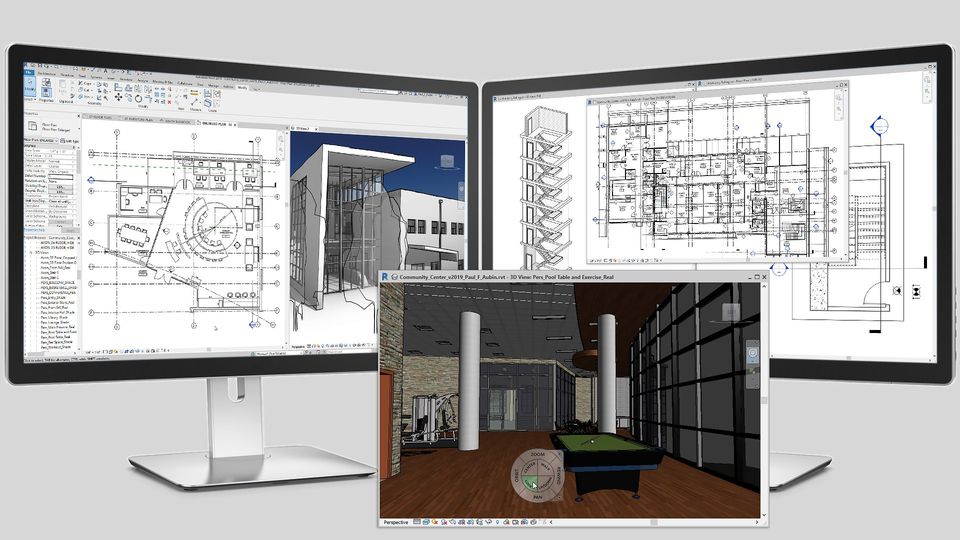
Finally, you can stretch your Revit interface across both screens, with out having to constantly adjust each individual view, or annoy the daylights out of your BIM Manager… Great for the Rhino users!
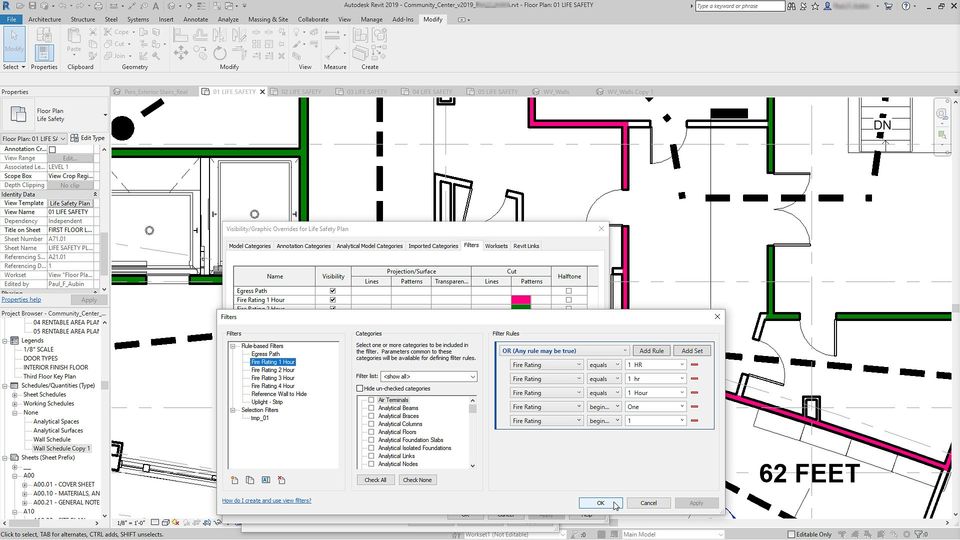
“OR” condition in filters!!
The potential impacts of this one will be felt far and wide, now with the ability to create view filters with multiple rules and nested sets with combination of AND and OR conditions.
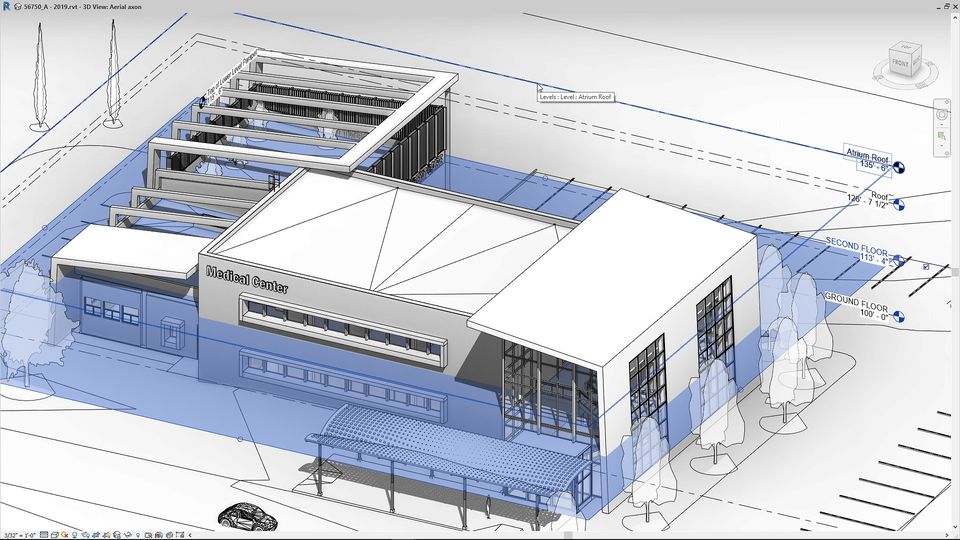
This functionality was always part of Vasari and then Conceptual Massing, leaving many pondering why…?
Either way, now you can understand and manipulate important datum heights in your project in 3D views.
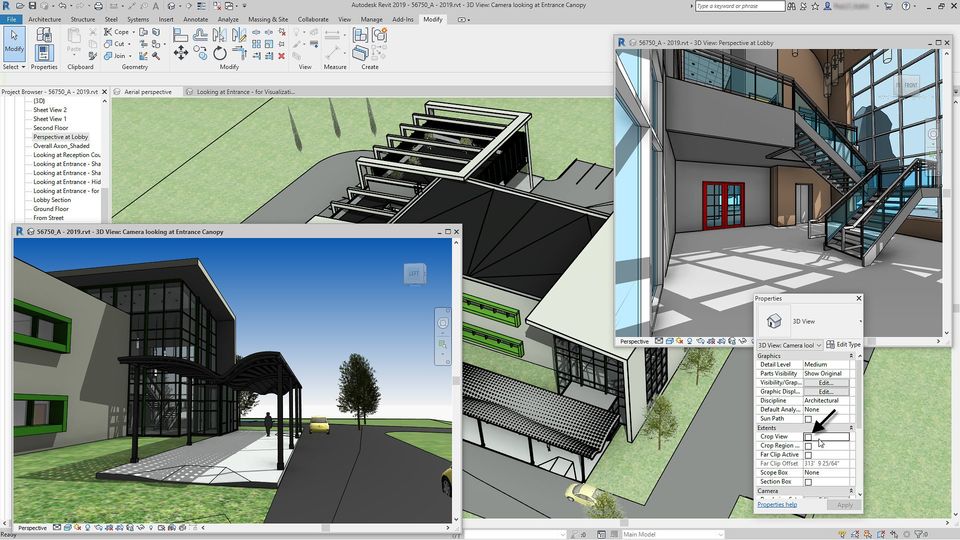
It’s a beautiful thing! Work in full-screen uncropped perspective view.
Move around the view freely with navigation commands such as Zoom, Pan, and Orbit…
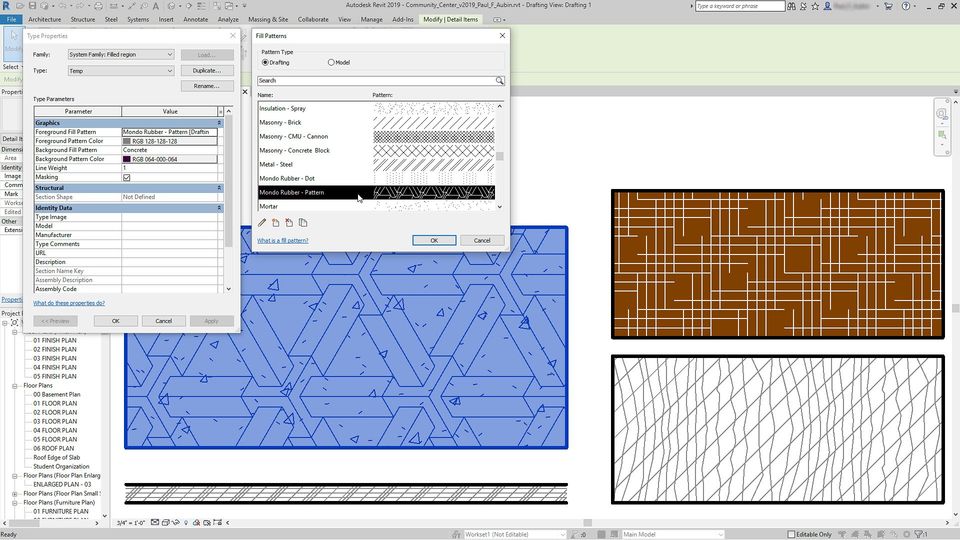
Go Revit, Go Revit, Go Revit!! After many years of building hatch patterns in third party apps to compensate for this short-coming, you’ll have to excuse my excitement…
Double-fill patterns!!
But wait, there’s more…
Double Fill Patterns in Cut! OR Surface!
Go Revit, Go Revit, Go Revit
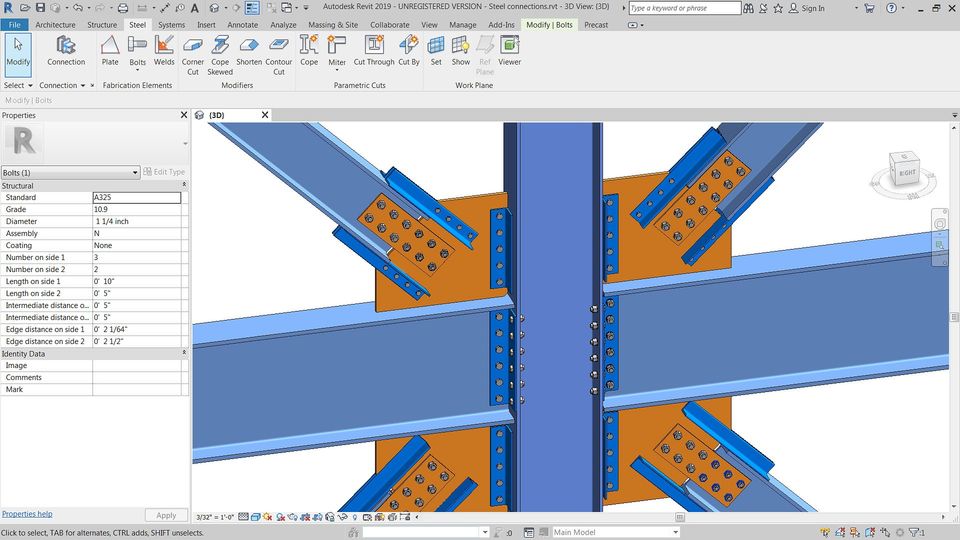
For those of us using apps like Enscape and Iris Prospect, this is going to revolutionise our experience of steel connections. With an entire new tab dedicated to Enhanced detailed steel modeling, the ability to create your own steel connections with dedicated tools is sure to be a massive improvement. I can’t wait to see what people do with this.
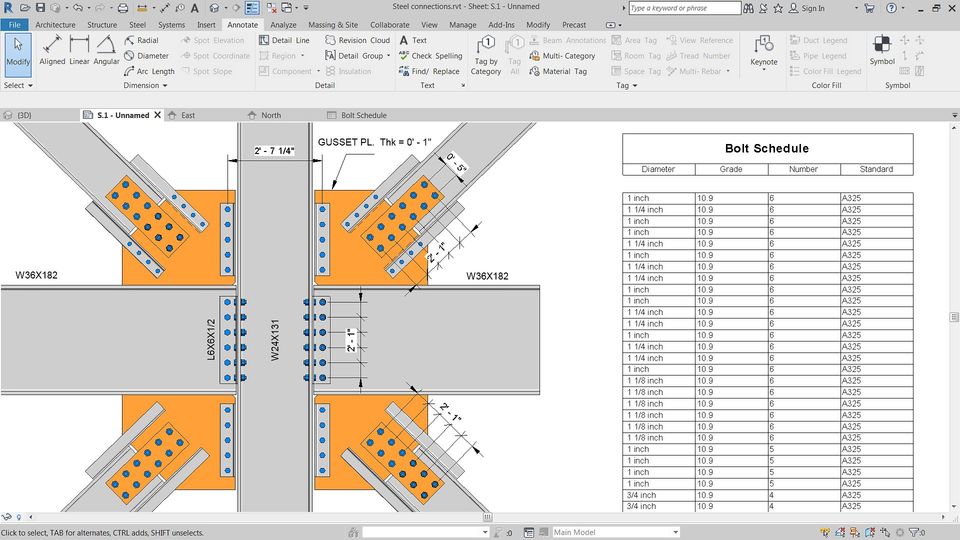
Create accurate engineering documentation for structural steel, including details with steel connections.
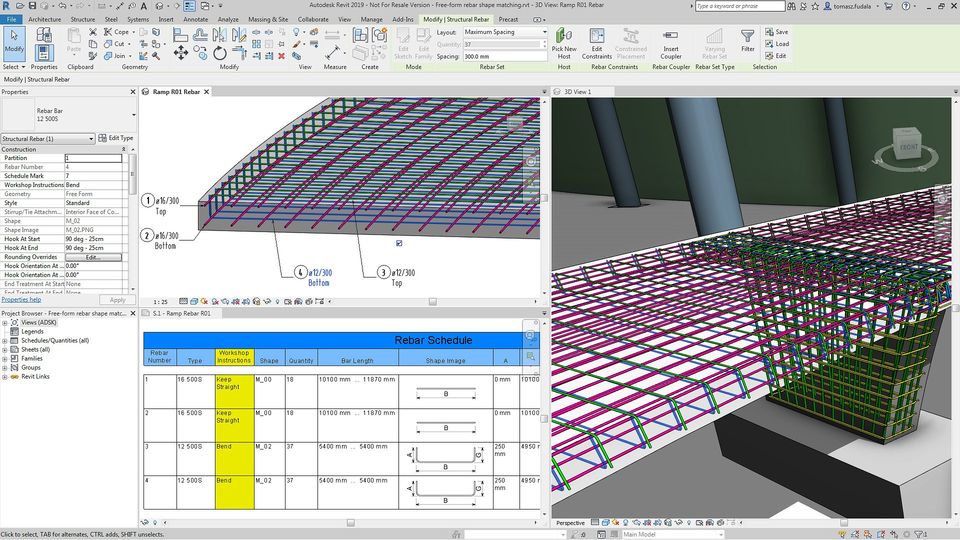
Use Revit to match existing rebar shape families or create new rebar shape families based on free-form bar geometry.
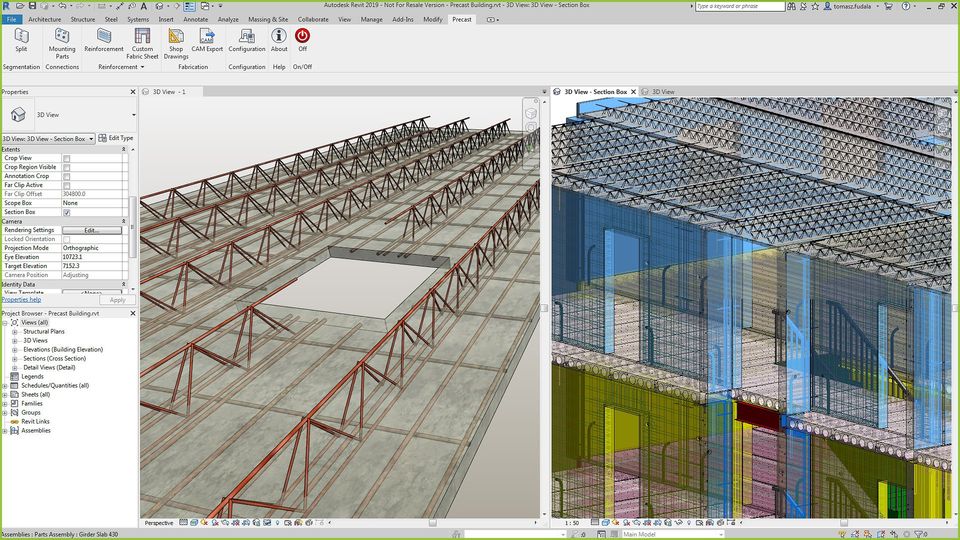
Perform segmentation; add reinforcement according to predefined rules; generate shop drawings; and run CAM Export.
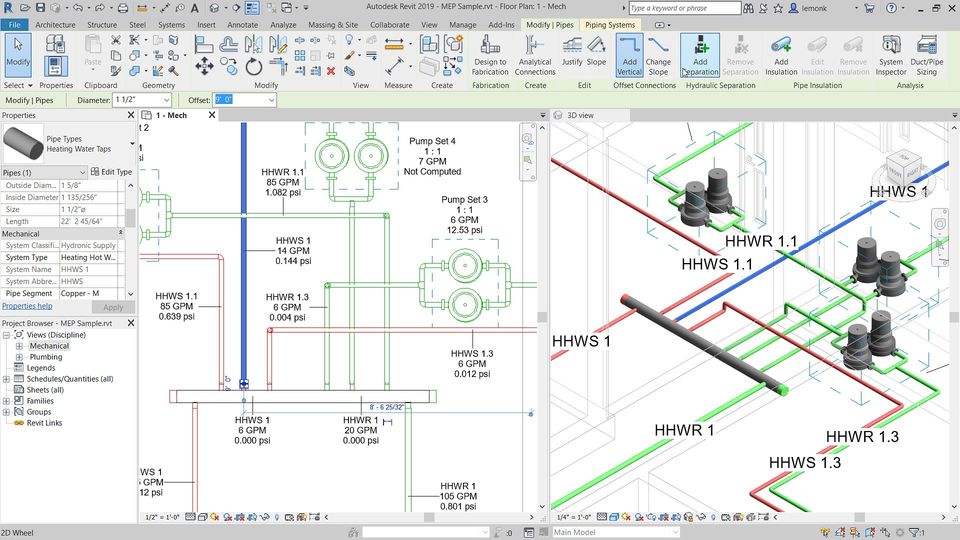
Improved pressure drop analysis for complex networks, supporting primary/secondary separation for hydronic systems.
Keep an eye on our blogs for further investigations into these and more tools.